The Drunken Master (1978) stands as one of the most influential martial-arts films in cinema history, blending slapstick humor, dynamic choreography, and a fresh reinvention of kung fu storytelling. Directed by Yuen Woo-ping and starring a young Jackie Chan, the film introduced audiences to a new kind of martial-arts hero—mischievous, flawed, charismatic, and endlessly inventive. At its core, the movie captures the spirit of classic Hong Kong cinema while pushing the boundaries of what action choreography could achieve.
The story follows Wong Fei-hung, a rebellious youth whose playful antics constantly land him in trouble. Despite being born into a respected martial-arts family, he lacks discipline and frequently misuses his skills for pranks. His father, unable to control him, sends him to train under the notoriously harsh and unpredictable Beggar So, a master of the unconventional Drunken Boxing style. This decision sets in motion a transformative journey filled with pain, humor, and unexpected wisdom.

Under Beggar So’s grueling methods, Wong Fei-hung faces physical exhaustion, humiliation, and countless tests of character. Yet it is through this difficult training that he begins to understand the essence of martial arts beyond raw strength. The Drunken Boxing technique itself becomes a metaphor for resilience, creativity, and adaptability—appearing chaotic yet hiding remarkable precision. Jackie Chan’s physical comedy elevates these sequences into some of the most memorable training montages ever filmed.
The film’s narrative tension heightens when a ruthless assassin named Thunderfoot threatens Wong’s family. Known for his nearly unstoppable kicking style, Thunderfoot serves as the perfect foil to the unpredictable nature of Drunken Boxing. The final confrontation between Wong Fei-hung and Thunderfoot showcases the film’s signature blend of comedy and intensity, as each movement is both a joke and a deadly technique. It remains one of the genre’s most iconic showdowns.
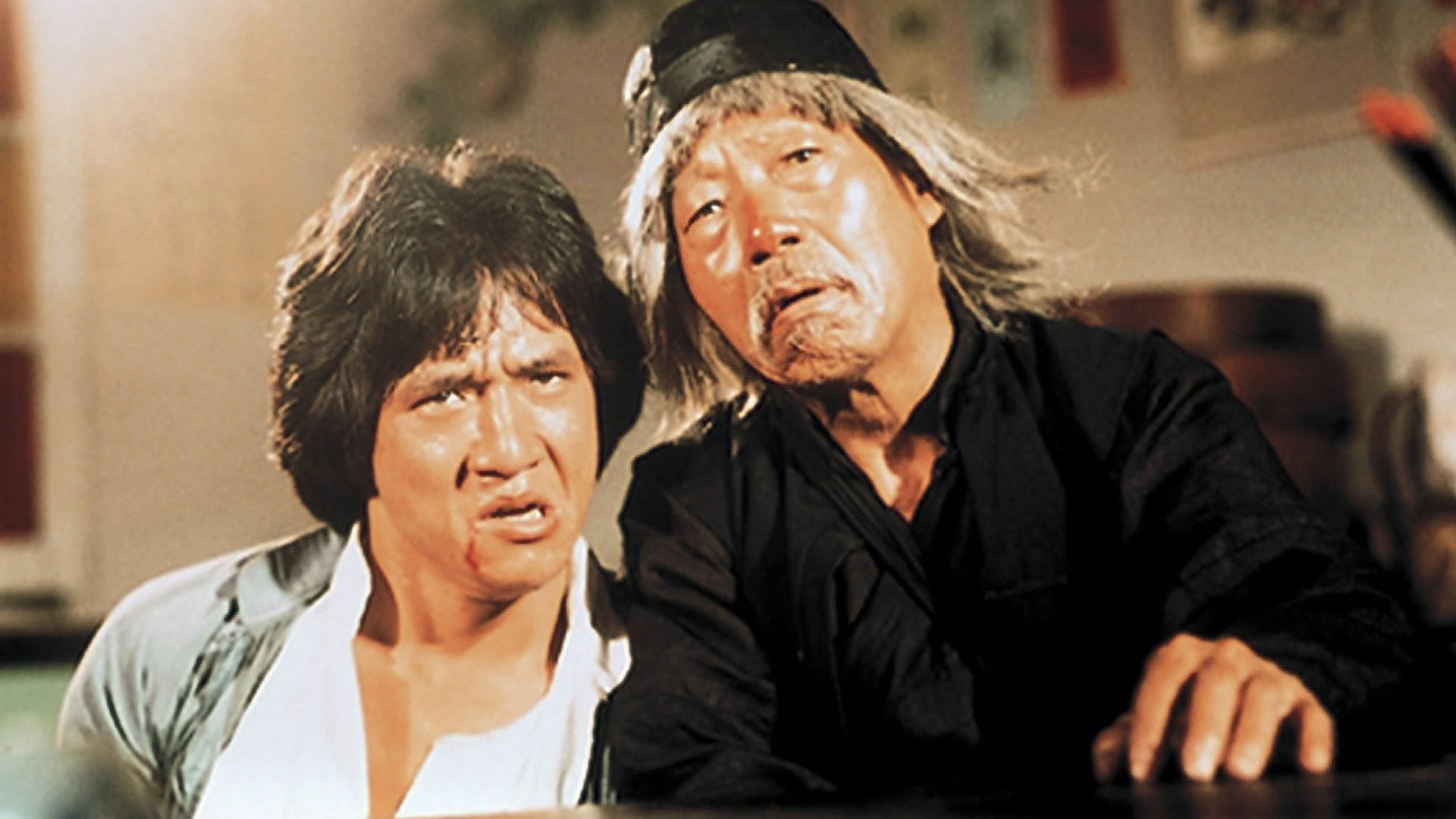
What sets The Drunken Master apart is its daring mix of tones. While many martial-arts films of its era leaned heavily into stoic heroism, this movie embraced humor as a powerful tool. Jackie Chan’s expressive style turned every punch, stumble, and drunken sway into a spectacle that felt both grounded and theatrical. It allowed him to carve out a unique identity distinct from the Bruce Lee archetype that dominated martial-arts cinema at the time.


